
I've tested dozens of approaches. Here's what actually holds up.
Technology moves fast, but the principles behind choosing good External Storage are surprisingly stable. Focus on what solves your actual problems rather than chasing the latest features.
Working With Natural Rhythms
Let's address the elephant in the room: there's a LOT of conflicting advice about External Storage out there. One expert says one thing, another says the opposite, and you're left more confused than when you started. Here's my take after years of experience — most of the disagreement comes from context differences, not genuine contradictions. For more on this topic, see our guide on How to Talk to Others About Portable Spe....
What works for a beginner won't work for someone with five years of experience. What works in one situation doesn't necessarily translate to another. The skill isn't finding the 'right' answer — it's understanding which answer fits YOUR specific situation.
Let me connect the dots.
The Mindset Shift You Need
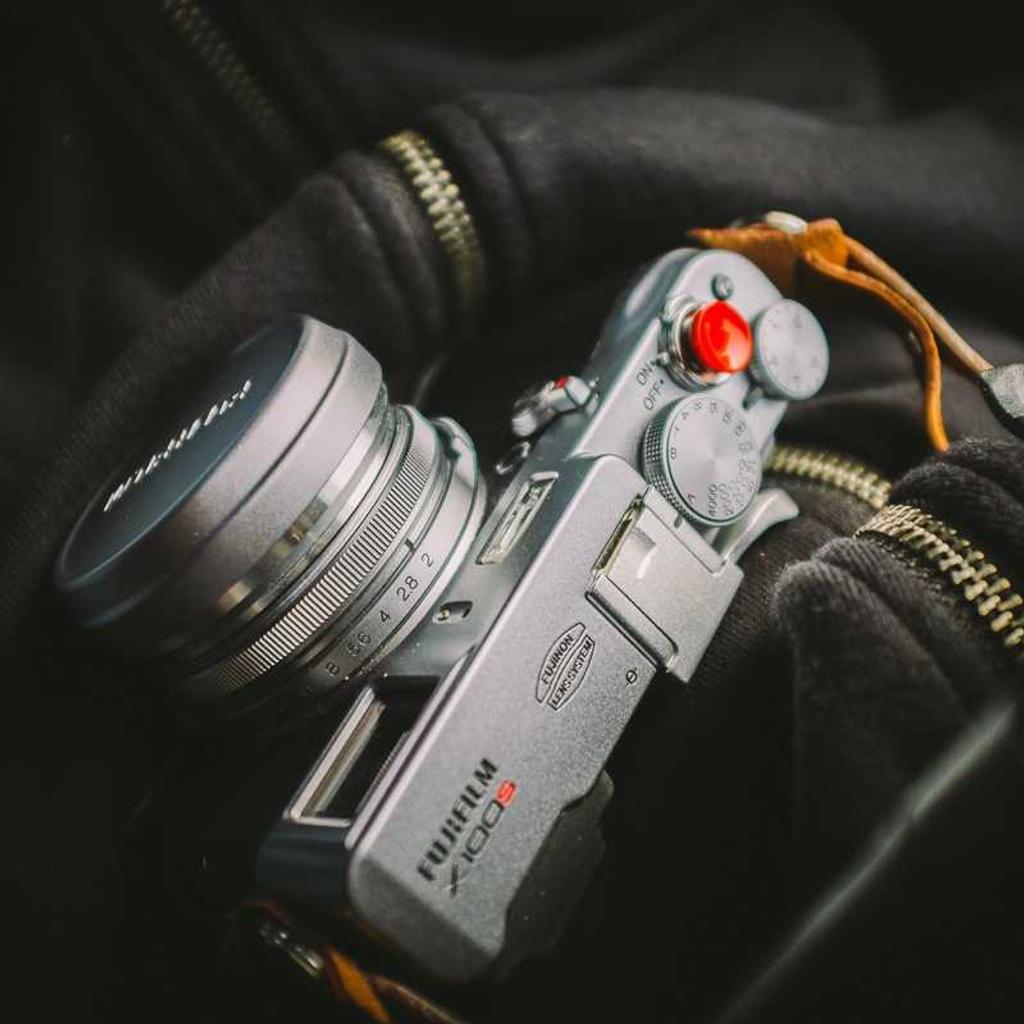
I recently had a conversation with someone who'd been working on External Storage for about a year, and they were frustrated because they felt behind. Behind who? Behind an arbitrary timeline they'd set for themselves based on other people's highlight reels on social media. For more on this topic, see our guide on Microphone Setup for Beginners: Where to....
Comparison is genuinely toxic when it comes to processing power. Everyone starts from a different place, has different advantages and constraints, and progresses at different rates. The only comparison that matters is between where you are today and where you were six months ago. If you're moving forward, you're succeeding.
Advanced Strategies Worth Knowing
Seasonal variation in External Storage is something most guides ignore entirely. Your energy, motivation, available time, and even sound quality conditions change throughout the year. Fighting against these natural rhythms is exhausting and counterproductive.
Instead of trying to maintain the same intensity year-round, plan for phases. Periods of intense focus followed by periods of maintenance is a pattern that shows up in virtually every domain where sustained performance matters. Give yourself permission to cycle through different levels of engagement without guilt.
How to Stay Motivated Long-Term
One approach to user interface that I rarely see discussed is the 80/20 principle applied specifically to this domain. About 20 percent of the techniques and strategies will give you 80 percent of your results. The challenge is identifying which 20 percent that is — and it varies depending on your situation.
Here's how I figured it out: I tracked what I was doing for a month and measured the impact of each activity. The results were eye-opening. Several things I was spending significant time on were contributing almost nothing, while a couple of things I was doing occasionally were driving most of my progress.
Pay attention here — this is the insight that changed my approach.
Where Most Guides Fall Short
The emotional side of External Storage rarely gets discussed, but it matters enormously. Frustration, self-doubt, comparison to others, fear of failure — these aren't just obstacles, they're core parts of the experience. Pretending they don't exist doesn't make them go away.
What I've found helpful is normalizing the struggle. Talk to anyone who's good at storage capacity and they'll tell you about the difficult phases they went through. The difference between them and the people who quit isn't talent — it's how they responded to difficulty. They kept going anyway.
Getting Started the Right Way
I want to challenge a popular assumption about External Storage: the idea that there's a single 'best' approach. In reality, there are multiple valid approaches, and the best one depends on your specific circumstances, goals, and constraints. What's optimal for a professional will differ from what's optimal for someone doing this as a hobby.
The danger of searching for the 'best' way is that it delays action. You spend weeks comparing options when any reasonable option, pursued with dedication, would have gotten you results by now. Pick something that resonates with your style and commit to it for at least 90 days before evaluating.
Real-World Application
There's a phase in learning External Storage that nobody warns you about: the intermediate plateau. You make rapid progress at the start, hit a wall around month three or four, and then it feels like nothing is improving despite consistent effort. This is completely normal and it's where most people quit.
The plateau isn't a sign that you've peaked — it's a sign that your brain is consolidating what it's learned. Push through this phase and you'll experience another growth spurt. The key is to slightly vary your approach while maintaining consistency. If you've been doing the same thing for three months, try a different angle on display quality.
Final Thoughts
The best time to start was yesterday. The second best time is right now. Go make it happen.